Gas prices in Ontario have a way of turning a routine commute into a monthly line item you dread checking. If you’re weighing an EV for the first time, the number that matters most isn’t horsepower or 0-100 km/h time. It’s how little you’ll spend keeping the car charged.
The 2026 Nissan LEAF S+ carries an EPA-rated 1.8 L/100km city equivalent, a figure meant to let gasoline shoppers compare it directly against the vehicles they’re used to. Here’s what actually produces that number, and who should be looking at it seriously.
What The LEAF’s Efficiency Rating Actually Measures
The 1.8 L/100km figure isn’t a fuel number at all. It’s the EPA’s way of translating the LEAF S+’s electricity consumption into a gasoline-equivalent figure, so a shopper comparing an EV against a gas-powered SUV has a familiar unit to work with.
The S+ pairs a 75 kWh liquid-cooled lithium-ion battery with a 214-horsepower electric motor, delivering up to 488 km of estimated range per charge. On the highway, where aerodynamic drag matters more, the equivalent rating settles at 2.1 L/100km.
Nissan will also offer a 52 kWh battery paired with a 174-horsepower motor as a later addition to the lineup, giving buyers a choice between maximum range and a lower entry point once it becomes available.
How The LEAF Keeps That Number Consistent
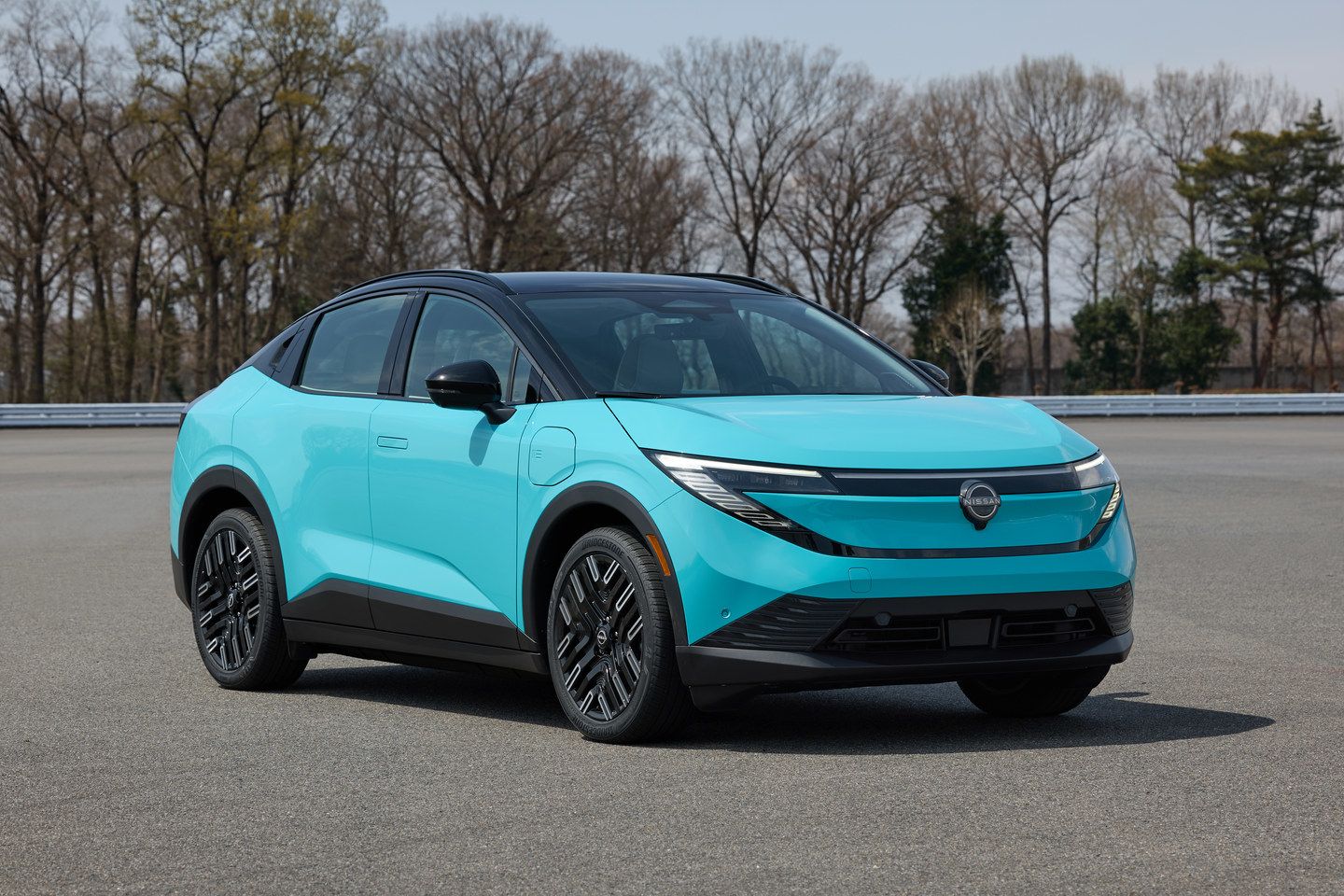
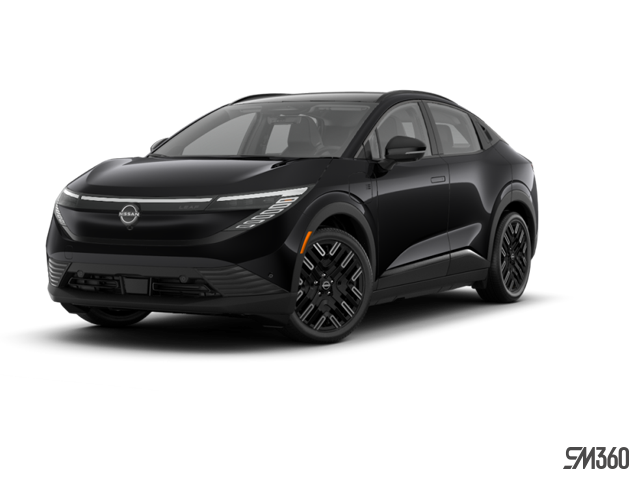
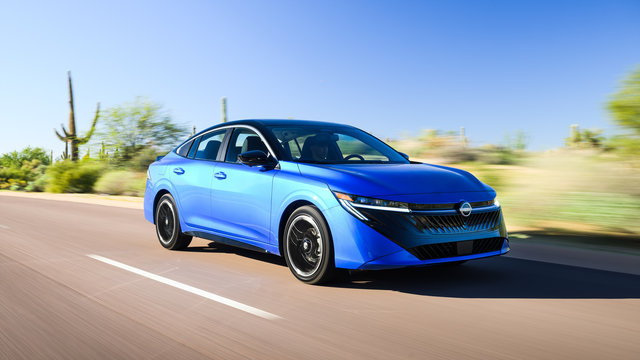
A chunk of any EV’s efficiency comes from fighting the air ahead of it, and the LEAF’s reshaped crossover body posts a 0.26 drag coefficient. Less resistance at highway speed means less energy pulled from the battery to hold your cruising speed.
Thermal management plays an equally quiet role. The LEAF uses a hybrid heater system with a heat pump, plus a dedicated battery heater, to keep the pack in its optimal operating range. That matters in an Ontario winter, when a cold battery can otherwise eat into both range and charging speed.
Charging itself is built around flexibility. A J1772 port on the driver’s side handles home Level 2 charging and most public Level 2 stations, while a NACS port on the passenger side unlocks Tesla Supercharger access. At a compatible DC fast charger, the LEAF recovers 10% to 80% of its battery in 35 minutes, with charging capped at 150 kW.
Plug & Charge lets the car start a public charging session automatically once plugged in, no app or card required, and the Nissan Energy Charge Network (accessed through the MyNISSAN app) covers more than 25,000 public chargers across Canada.
What That Efficiency Actually Saves You
A 1.8 L/100km equivalent rating means the LEAF’s day-to-day running cost drops close to zero for anyone who plugs in mostly at home overnight. There’s no separate stop for fuel, no idling in a lineup, and no watching a price sign creep up week to week.
Regenerative braking recovers energy every time you lift off the accelerator in stop-and-go traffic, on higher trims aided by paddles that let the driver adjust the intensity. Combined with home charging, this is the kind of efficiency that shows up as a smaller number on a monthly electricity bill rather than a fuel receipt.
Nissan Canada is also offering a complimentary Level 2 home charger to the first 200 LEAF buyers, a meaningful head start for anyone planning to do most of their charging in the garage.
Who The 2026 LEAF Actually Fits
The LEAF S+’s 488 km range profile suits drivers with a predictable daily loop: office commutes, school runs, errands around town, the kind of driving where you’re rarely pushing past a fraction of a full charge before you’re home and plugged in again.
Families or drivers who cover long highway stretches can still make the LEAF work, but it takes a bit more planning around the 35-minute fast-charge stop rather than the five-minute gas station visit. That’s the real trade-off against a plug-in hybrid or a gas-powered SUV in the subcompact segment: the LEAF’s running costs are lower once you’re charging at home, but the road-trip rhythm is different.
Comparing The S+, SV+ And PLATINUM+
Range and screen size shift as you move up the lineup, even though the core efficiency story stays the same.
|
Trim
|
Estimated Range
|
Touchscreen
|
|
S+
|
488 km
|
12.3-inch
|
|
SV+
|
463 km
|
14.3-inch
|
|
PLATINUM+
|
417 km
|
14.3-inch
|
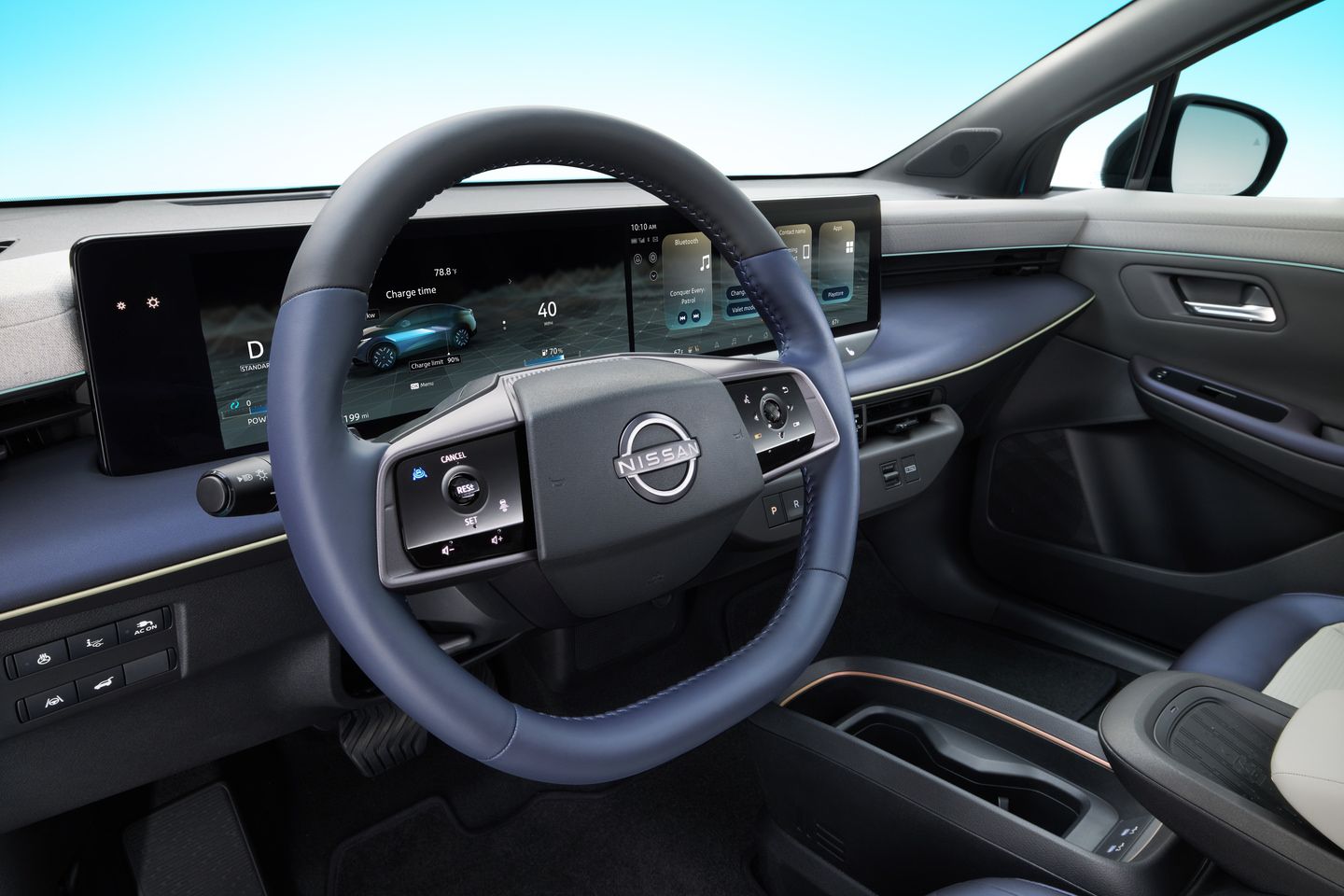
The S+ delivers the longest range in the lineup and carries the 1.8 L/100km city rating. SV+ and PLATINUM+ trade some range for a larger 14.3-inch display, heated steering wheel, and additional comfort features, a fair swap if daily range headroom matters less to you than cabin tech.
See The 2026 LEAF’s Efficiency In Person
The 2026 Nissan LEAF pairs a 75 kWh battery, a 0.26 drag coefficient, and dual J1772/NACS charging into a package built around lowering what you spend keeping the car moving. For Ontario drivers with a steady daily commute, that combination changes the monthly math on getting around.
Visit Waterloo Nissan in Waterloo, Ontario to see the 2026 LEAF S+, SV+, or PLATINUM+ up close, build a quote, or schedule a test drive to feel how quickly it charges and how far it goes on a single charge.