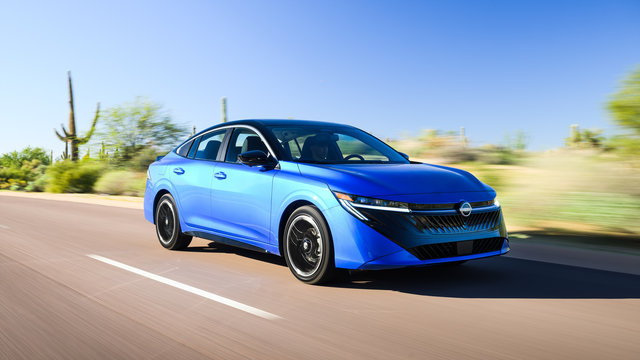
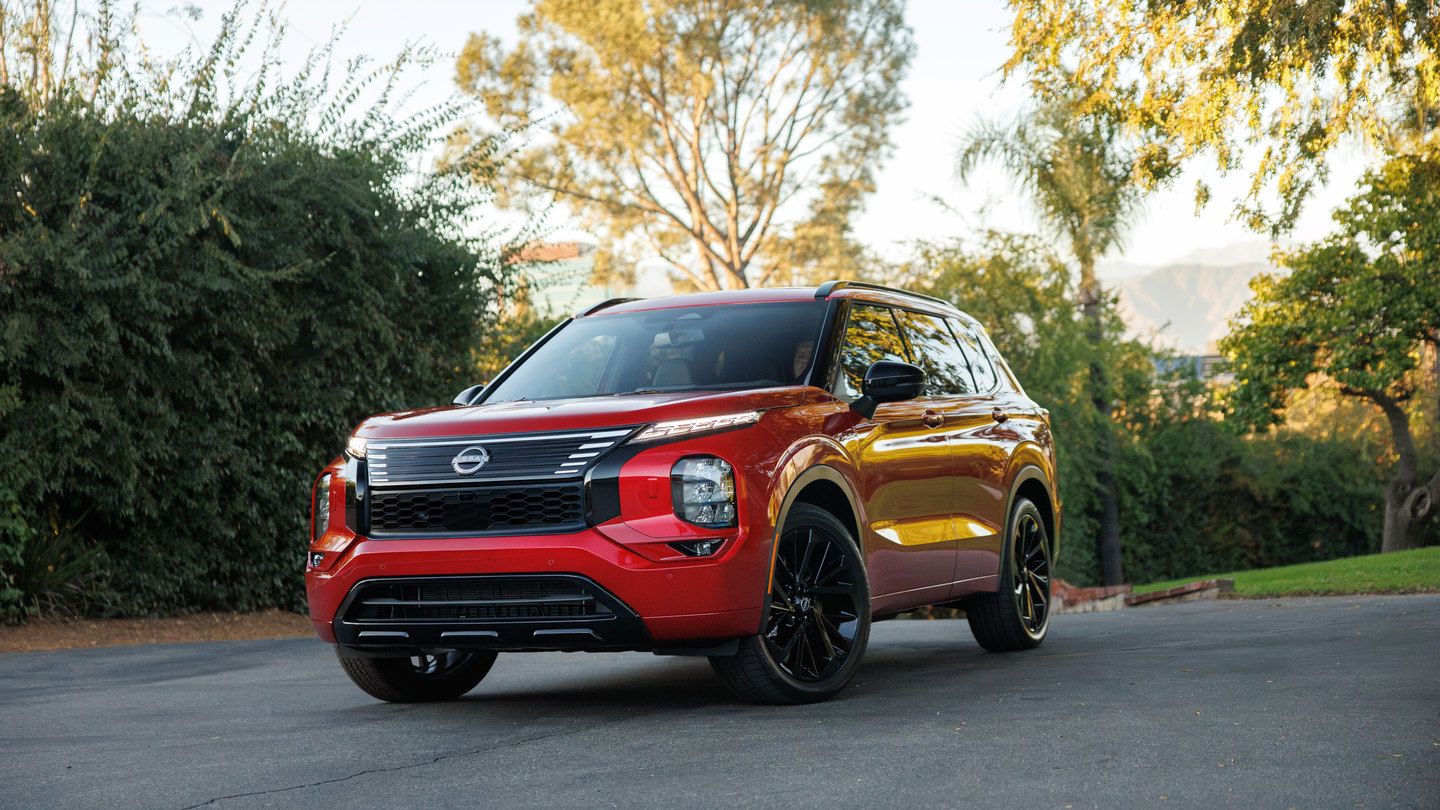
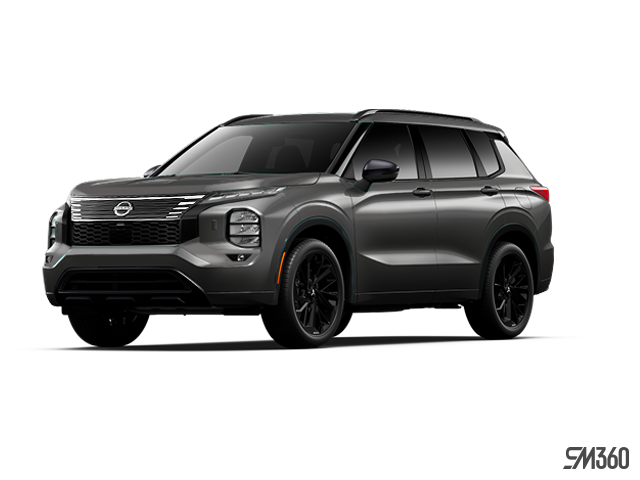
A plug-in hybrid only pays off if charging fits into your actual routine. For Ontario drivers weighing the 2026 Nissan Rogue Plug-in Hybrid, the question usually isn’t about public fast-chargers. It’s simpler: can you plug in at home, overnight, and wake up to a full battery?
Here’s what that daily routine actually looks like, from the battery and onboard charger to what you’ll see on the dash each morning.
What the Rogue Plug-in Hybrid’s Charging System Is
The Rogue Plug-in Hybrid pairs a 20 kWh battery with a 2.4 L engine, two electric motors, and an onboard charger that manages how power flows from a wall outlet or home charging station into that battery. Combined output is 248 hp and 332 lb-ft of torque.
The battery gives the Rogue Plug-in Hybrid 61 km of electric-only range. That’s the number the whole home-charging conversation is built around: enough for most short trips without touching the gas engine at all.
How Home Charging Works, Step by Step

A Level 2 home charging station tops up the Rogue Plug-in Hybrid’s battery in 7.5 hours. That’s a routine, not an event. Plug in when you get home in the evening, and the onboard charger has the battery ready well before morning.
This article focuses on that overnight home routine rather than public fast-charging, because for most owners, home charging is where the daily habit actually forms.
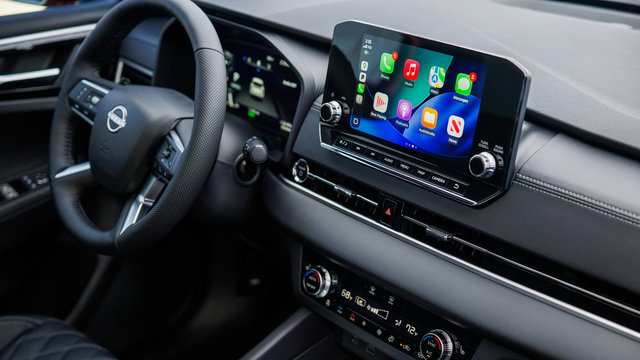
The in-vehicle display shows charge status and readiness, so you can check battery level before heading out the door. That visibility matters: it turns charging from a guessing game into something you can plan around, the same way you’d glance at a fuel gauge.
Why This Matters for Everyday Ontario Driving
A 7.5-hour charge window means the battery is full and ready without any extra effort beyond plugging in when you get home. You leave with 61 km of electric range available for the next day’s errands, school runs, or commute.
Once that electric range is used up, the 2.4 L engine takes over automatically. There’s no separate mode to manage. This is what makes the powertrain practical for mixed-distance driving: short local trips lean on the battery, longer highway drives lean on the gasoline engine, and the vehicle handles the transition on its own.
For a lot of Ontario households, daily driving is short hops around town mixed with the occasional longer trip. The Rogue Plug-in Hybrid’s electric range covers the short hops, while the gas engine removes any worry about running out of charge on a longer drive.
Who Gets the Most Out of This Routine

Drivers with a garage or driveway where a Level 2 charging station can be installed will get the most consistent use out of the 61 km electric range. Daily parking access matters here: charging works best when it’s part of a fixed routine, not something you have to plan around.
Winter changes the equation slightly, since cold temperatures affect battery performance in any plug-in vehicle. A consistent overnight charging routine in a garage helps keep the battery in a more stable temperature range before your morning drive.
Someone doing mostly short, local trips, school runs, errands, a weekday commute under 61 km, will use electric power for the bulk of their driving and rely on the gas engine mainly for longer weekend or highway trips.
Getting Familiar With the Rogue Plug-in Hybrid
The 2026 Nissan Rogue Plug-in Hybrid’s home charging routine centres on a straightforward pattern: plug in overnight, get a full battery in 7.5 hours on a Level 2 charging station, and let the 2.4 L engine handle anything beyond the 61 km electric range.
Visit Waterloo Nissan in Waterloo to see the 2026 Rogue Plug-in Hybrid in person and talk through what a home charging setup would look like for your driveway or garage.