Nissan's ProPILOT Assist has become a familiar name in driver assistance technology, but understanding how it works—and what separates its different versions—can help you make smarter choices when shopping for your next vehicle. For drivers considering a Nissan Rogue, Kicks, or another model in the lineup, here's what makes this system worth your attention.
ProPILOT Assist isn't a single technology—it's a family of systems that vary in capability depending on the trim level and model you choose. From basic cruise control enhancements to advanced hands-off highway driving, knowing which version you're getting matters for both daily convenience and long-term value.
ProPILOT Assist Comes in Multiple Versions
Not all ProPILOT systems are created equal. Nissan offers three distinct levels across its lineup, each designed for different driving scenarios and budgets.
The base ProPILOT Assist system, standard on vehicles like the Rogue SV, combines Intelligent Cruise Control with Steering Assist. This version helps maintain your set speed and keeps you centred in your lane on highways, but it requires you to keep your hands on the wheel at all times. It operates when lane markings are clearly visible and adjusts your speed based on traffic ahead.
ProPILOT Assist 1.1 takes things further by integrating navigation data. Available on Rogue SL and Platinum trims, this version proactively adjusts your speed before curves and freeway interchanges—not just reacting to traffic, but anticipating road geometry. The system uses map information to slow down smoothly before tight turns, then accelerates back to your set speed once the road straightens.
ProPILOT Assist 2.1 represents the most advanced option, currently available on the 2025 Rogue Platinum. This is Nissan's first hands-off system for single-lane highway driving in Canada. When conditions are right, attentive drivers can remove their hands from the steering wheel while the system handles acceleration, braking, and steering. However, this version requires a subscription to NissanConnect Services after an initial trial period, and it only functions on pre-mapped compatible highways.
Hands-Off Doesn't Mean Eyes-Off
The ProPILOT Assist 2.1 system allows hands-off driving, but this capability comes with strict requirements that drivers must understand before relying on it.
You must remain attentive and facing forward at all times. The system uses driver monitoring technology to ensure you're watching the road, and if it detects inattention, it will alert you and eventually disengage. This isn't autopilot—it's advanced assistance that still requires your full engagement.
Hands-off operation only works in single-lane highway situations. If you need to change lanes, merge, or navigate an exit, you must take manual control immediately. The system will prompt you when driver input is needed, and you should be prepared to resume steering without delay.
The technology also depends on clear lane markings and favourable weather conditions. Heavy rain, snow, or worn road paint can limit or disable the system entirely. ProPILOT Assist 2.1 cannot prevent collisions, and you remain fully responsible for safe vehicle operation even when the system is active.
Lane Markings Are Critical for All Versions
Every ProPILOT Assist system relies on visible lane markings to function. Without clear lines, the steering assistance component won't engage, leaving you with only basic cruise control.
This limitation becomes particularly relevant in Ontario winters. Snow-covered roads, faded paint, or construction zones with temporary markings can all prevent the system from operating. Even ProPILOT Assist 2.1, despite its advanced capabilities, cannot function without detecting proper lane boundaries.
The system also requires specific road conditions beyond just markings. Sharp curves, narrow lanes, and certain lighting conditions can cause temporary disengagement. When this happens, you'll receive visual and audible alerts prompting you to take manual control.
Understanding these limitations helps set realistic expectations. ProPILOT Assist works best on well-maintained highways during clear weather—exactly the conditions in which long-distance driving fatigue is most common.
Subscription Requirements Apply to Advanced Features
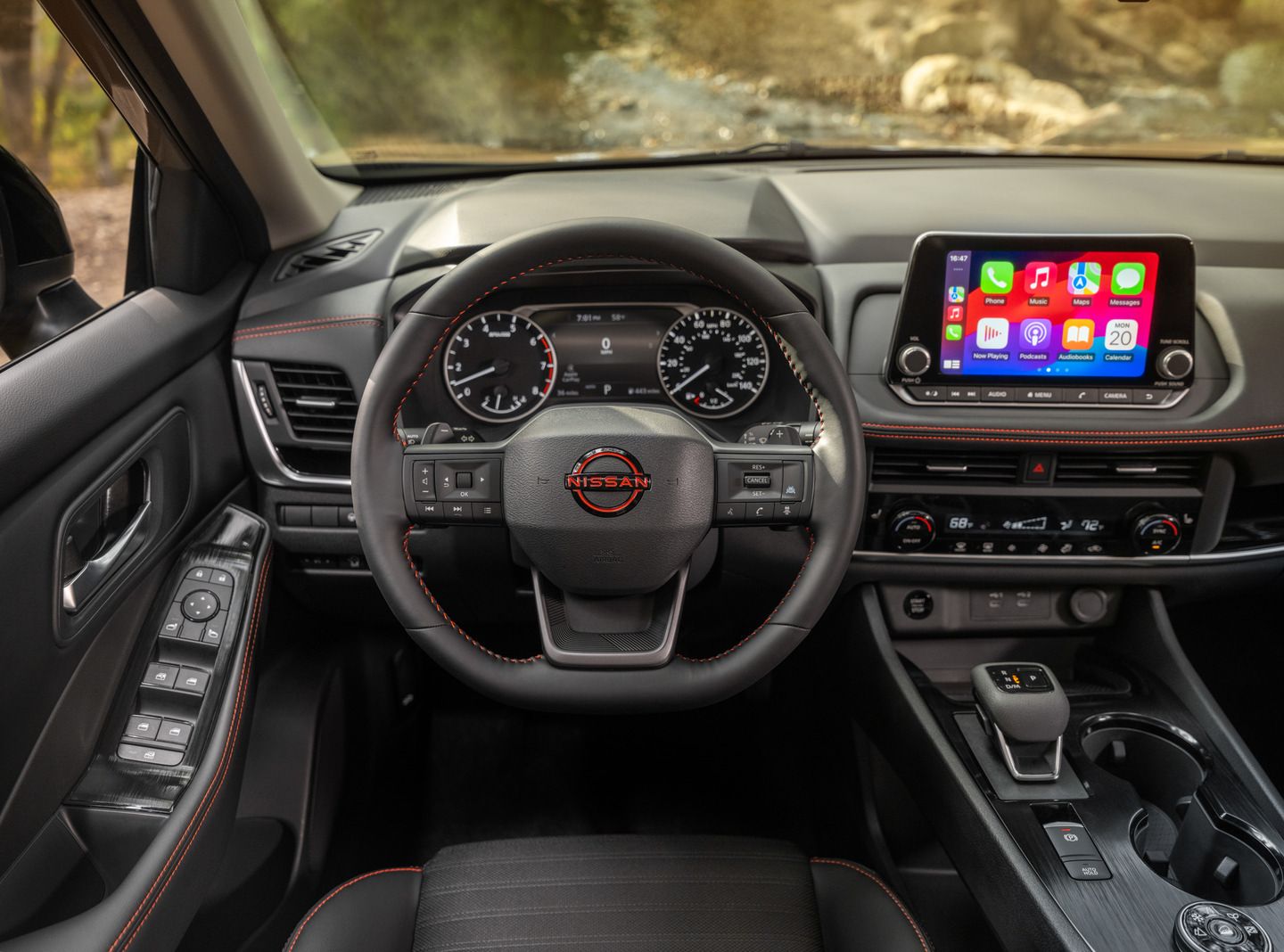
ProPILOT Assist 2.1's hands-off capability requires an active NissanConnect Services subscription. While new vehicle purchases include a trial period, continued access to this feature requires ongoing payment after the trial ends.
The base ProPILOT Assist and ProPILOT Assist 1.1 systems do not require subscriptions—they function as standard vehicle features once purchased. Only the hands-off functionality of version 2.1 is tied to connected services.
This distinction matters for long-term ownership costs. If you're considering a Rogue Platinum specifically for ProPILOT Assist 2.1, factor the subscription expense into your total cost of ownership. If you prefer a one-time purchase without recurring fees, ProPILOT Assist 1.1 on the SL or Platinum trims offers strong highway assistance without subscription requirements.
Compatible Roads Are Limited for ProPILOT Assist 2.1
ProPILOT Assist 2.1's hands-off capability only functions on pre-mapped highways. Nissan maintains a map of compatible roads, and the system won't allow hands-off operation on unmapped routes—even if they're major highways.
This means the feature's usefulness depends heavily on your typical driving patterns. Commuters on well-travelled routes between major Ontario cities will likely find good coverage, but those who frequently travel rural highways or less common routes may encounter limited hands-off availability.
The system will alert you when entering and exiting compatible road segments. When you leave a mapped area, you'll need to place your hands back on the wheel and resume manual steering, though the system will continue providing adaptive cruise control and lane centring assistance.
Before purchasing a vehicle specifically for ProPILOT Assist 2.1, consider checking Nissan's compatibility map for your regular routes. The feature delivers genuine convenience on compatible highways, but its value diminishes if your typical driving takes you beyond mapped areas.
Compare ProPILOT Assist Versions
|
Feature
|
ProPILOT Assist
|
ProPILOT Assist 1.1
|
ProPILOT Assist 2.1
|
|
Adaptive Cruise Control
|
Yes
|
Yes
|
Yes
|
|
Lane Centering
|
Yes
|
Yes
|
Yes
|
|
Hands-On Requirement
|
Always
|
Always
|
Single-lane highway only
|
|
Navigation Integration
|
No
|
Yes (curve/interchange speed adjustment)
|
Yes
|
|
Subscription Required
|
No
|
No
|
Yes (after trial)
|
|
Available On
|
Rogue SV
|
Rogue SL, Platinum
|
Rogue Platinum (2025)
|
Experience ProPILOT Assist at Waterloo Nissan
Understanding the differences between ProPILOT Assist versions helps you choose the right technology for your driving needs and budget. From hands-off capability for long highway commutes to capable systems without subscription costs, Nissan offers options across multiple trim levels.
Our team at Waterloo Nissan can demonstrate each ProPILOT Assist version and help you understand which features align with your typical driving patterns. Schedule a test drive to experience the technology firsthand and explore how it performs on the roads you travel most often. Visit us in Waterloo to discover which Nissan model and trim delivers the driver assistance features that matter to you.