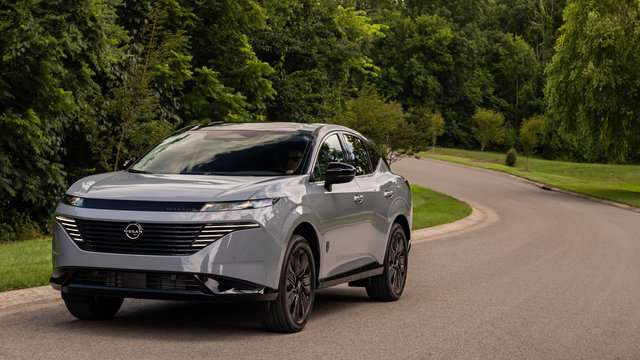
Roundabouts are a fact of life for drivers in Kitchener-Waterloo. From the multi-lane circles at Fischer-Hallman Road to the compact roundabouts in residential neighbourhoods, these traffic features keep vehicles moving efficiently—but they demand constant attention when snow and ice reduce visibility and traction.
Blind-spot monitoring technology offers a practical advantage. Modern driver-assistance systems, like those in Nissan's Safety Shield 360 suite, detect vehicles in adjacent lanes and provide timely alerts when changing lanes or merging within roundabouts. Understanding how these systems work—and their limitations—helps you drive more confidently through Waterloo's busiest intersections, even in challenging conditions.
What Blind-Spot Monitoring Does (and Doesn't Do)
Blind-spot monitoring uses radar sensors mounted in the rear bumper to detect vehicles travelling in adjacent lanes. When a vehicle enters your blind spot—the area just behind and to the side of your vehicle—a warning light illuminates on the corresponding side mirror.
If you activate your turn signal while a vehicle is in your blind spot, the system escalates the alert. The warning light blinks, and an audible chime sounds to notify you that changing lanes is unsafe. This two-stage alert system is designed to prevent side-swipe collisions during lane changes, a common scenario in multi-lane roundabouts with vehicles merging and exiting at varying speeds.
Rear Cross Traffic Alert complements blind-spot monitoring by detecting vehicles approaching from the side while you're reversing. When backing out of a parking spot near a roundabout entrance—common in shopping plazas along King Street or Conestoga Mall—the system scans for cross traffic and alerts you with flashing mirror lights, an audible warning, and a message in the instrument cluster.
Key Limitations:
- Blind-spot monitoring requires vehicles to be moving at similar or faster speeds to trigger alerts
- Heavy snow, ice buildup on sensors, or road spray can temporarily reduce detection accuracy
- The system is a driver aid, not a replacement for checking mirrors and shoulder-checking
Why Roundabouts Demand Extra Attention in Winter
Roundabouts present unique challenges compared to traditional intersections. Vehicles enter and exit at multiple points, creating a continuous flow of traffic that requires drivers to monitor several directions simultaneously. In winter, these challenges intensify:
Reduced Visibility: Snow accumulation on side mirrors, frosted windows, and limited daylight hours make it harder to spot vehicles in adjacent lanes.
Slippery Surfaces: Ice and packed snow reduce traction, making sudden lane changes or corrections riskier. If you need to yield to a vehicle you didn't see, abrupt braking can cause skidding.
Narrow Lanes: Multi-lane roundabouts often have tighter spacing between lanes, leaving less room for error when merging or exiting.
Blind-spot monitoring helps address the first challenge by providing an additional layer of awareness. Even if your mirrors are partially obscured by snow or your view is limited by a winter coat's high collar, the system's radar sensors continue scanning for nearby vehicles and alert you before you initiate a lane change.
How to Use Blind-Spot Monitoring in Roundabouts
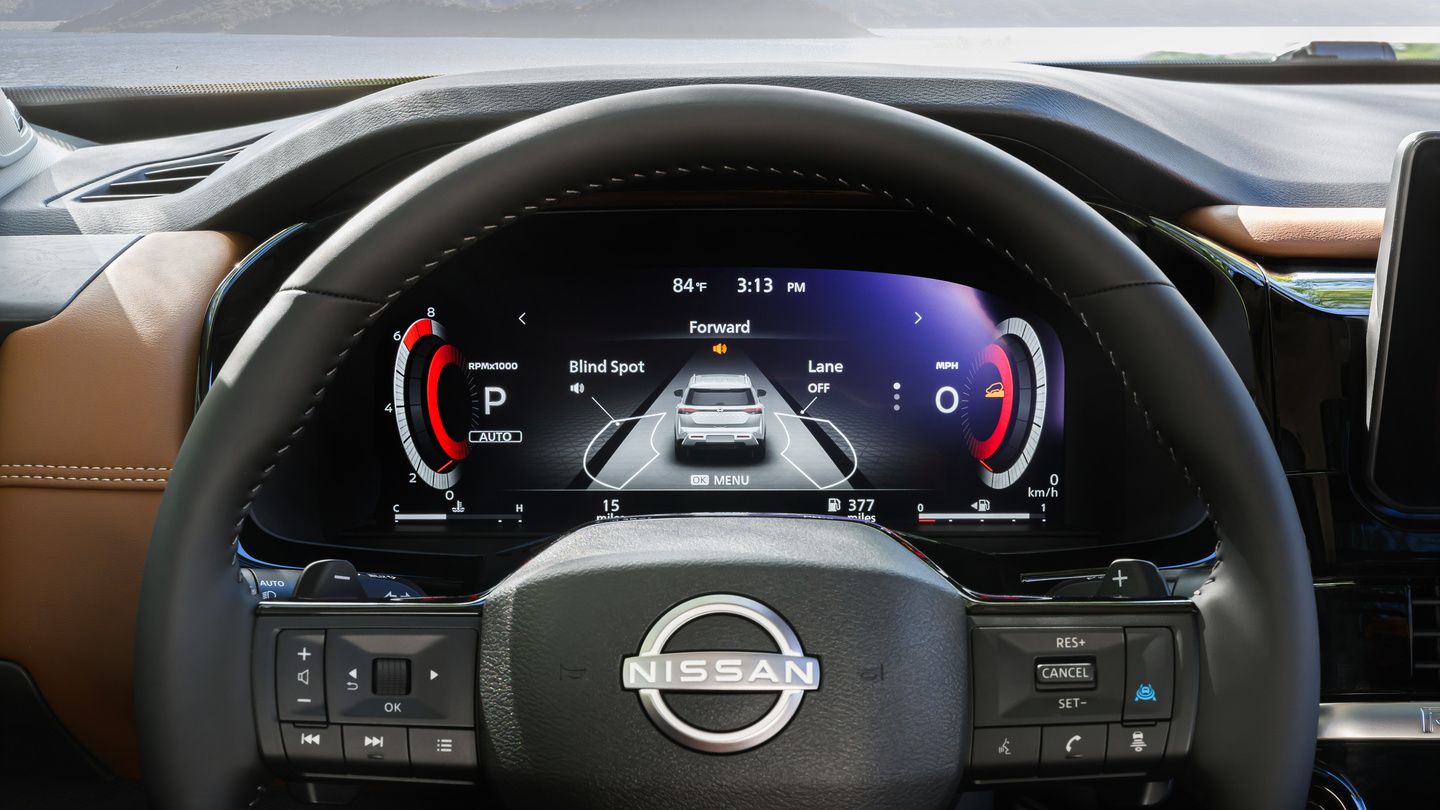
Blind-spot monitoring works best when integrated into your existing driving habits. Here's how to use the technology effectively in roundabouts:
Before Entering: As you approach a roundabout, check your mirrors and glance at the blind-spot warning lights. If they're illuminated, a vehicle is already in the adjacent lane. Yield as needed before merging into the circle.
While Circulating: Maintain awareness of vehicles entering from your right. The system will alert you if a vehicle moves into your blind spot as you navigate the roundabout. If you need to change lanes to exit, activate your turn signal early. If the warning light blinks and the chime sounds, delay your lane change until the alert clears.
When Exiting: Signal your exit and check for vehicles in the outer lane. Blind-spot monitoring will alert you if a vehicle is alongside you, preventing a collision as you move toward the exit lane.
In Parking Lots Near Roundabouts: Use Rear Cross Traffic Alert when backing out of spaces near roundabout entrances. The system scans for approaching vehicles and warns you if cross traffic is detected, giving you time to stop before entering the flow of traffic.
What Blind-Spot Monitoring Can't Replace
No driver-assistance technology eliminates the need for attentive driving. Blind-spot monitoring is designed to supplement—not replace—mirror checks and shoulder checks. The system has detection limits and may not alert you to:
- Motorcycles or bicycles in extreme weather conditions
- Vehicles approaching at very high speeds from behind
- Stationary objects or vehicles stopped in adjacent lanes
Always perform a shoulder check before changing lanes, even if the blind-spot warning light is off. In winter, clear snow and ice from sensors regularly to maintain optimal performance. Most systems will display a "Sensor Blocked" message if detection is compromised.
Additional Safety Features That Support Roundabout Driving
Blind-spot monitoring is often part of a broader suite of driver-assistance technologies. These complementary features can further improve safety in roundabouts:
Lane Departure Warning: Alerts you if your vehicle drifts out of its lane without signalling. Most effective on marked highways and open roads.
Intelligent Emergency Braking: Monitors the vehicle ahead and can apply braking if a collision is imminent. In roundabouts, this helps prevent rear-end collisions if traffic stops suddenly.
Multi-View Camera Systems: Provide a bird's-eye view of your vehicle's surroundings when entering a roundabout, making it easier to judge lane positioning and proximity to other vehicles in tight spaces.
These systems work together to create multiple layers of protection, helping you navigate complex intersections more safely.
Preparing Your Vehicle for Winter Roundabout Driving
Technology is only effective when properly maintained. To ensure blind-spot monitoring and other safety systems perform reliably in winter:
- Clean sensors regularly: Remove snow, ice, and road salt from radar sensors located in the rear bumper
- Clear all windows and mirrors: Ensure full visibility before driving, even if blind-spot monitoring is active
- Check tire pressure: Cold temperatures reduce tire pressure, affecting traction and braking performance
- Test systems after heavy snow: Verify that blind-spot warnings and other alerts are functioning after winter storms
If a "Sensor Blocked" or "System Unavailable" message appears, clean the affected sensors and allow the system to recalibrate. Most systems will resume normal operation once obstructions are removed.
Learn More at Waterloo Nissan
Blind-spot monitoring and other driver-assistance technologies are designed to support safer driving in challenging conditions, from navigating Waterloo's roundabouts in winter to merging onto Highway 401 during rush hour. These systems provide valuable alerts and reminders, but they work best when combined with attentive driving and regular vehicle maintenance.
If you're curious about how modern safety features can improve your daily commute, our team at Waterloo Nissan is here to help. Visit us in Waterloo to explore vehicles equipped with Safety Shield 360 and experience how these technologies work in real-world driving scenarios.