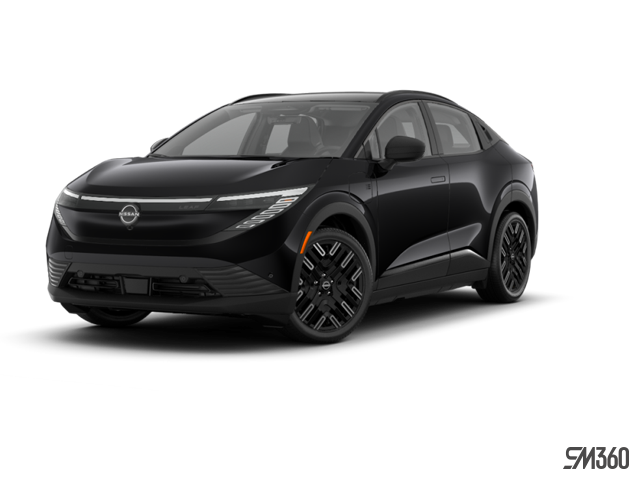

Cold weather changes how an electric vehicle behaves. Cabin heat draws energy, and a cold battery charges less easily. The 2027 Nissan LEAF includes hardware aimed at both problems, and it comes standard on every grade.
Here is what the equipment does, in simple terms.
A Heat Pump on Every Grade
All 2027 LEAF grades have a standard heat pump system. Nissan includes it to help optimize efficiency and cabin comfort during cold-weather operation. Heated front seats are standard on every grade too, which gives drivers another way to warm up.
A Battery Heater to Support Charging
All grades also have a battery heater. Nissan lists it alongside the heat pump as part of the equipment that supports charging performance in the cold.
Battery Thermal Management

The LEAF’s battery thermal management system is available on all grades. It captures and reuses the heat that the drive motor and the onboard charging system give off. That heat helps keep the battery at a suitable temperature, which supports charging performance during winter driving.
Nissan tested the LEAF across a wide range of climates and charging environments, including northern Quebec during the coldest time of year.
Charging Hardware for Canadian Drivers
The 2027 LEAF has dual charging ports. A J1772 port on the driver’s side handles Level 1 and Level 2 charging, and a North American Charging Standard port on the passenger side gives access to faster charging speeds. Plug & Charge capability is standard on every grade.
S+ grades and above have an upgraded 11-kW onboard charger. Nissan estimates this reduces Level 2 charging times by about 35%, or around two to three hours.
The NISSAN Energy Charge Network, accessible through the MyNISSAN Canada app, lets drivers find and pay for charging at more than 25,000 stations in Canada.
Batteries and Range by Grade
Range figures are Nissan estimates.
|
Grade |
Battery |
Motor output |
Estimated range |
|
S |
53 kWh |
174 hp |
341 km |
|
S+ |
75 kWh |
214 hp |
488 km |
|
SV+ |
75 kWh |
214 hp |
463 km |
A Few Cold-Weather Habits
The LEAF’s equipment helps, and a few habits help too. These are general tips for any electric vehicle:
- Warm the cabin while the vehicle is still connected to the charger.
- Use the heated seats and steering wheel, where fitted, to keep the cabin setting lower.
- Check your tire pressure as temperatures drop. The LEAF’s Tire Pressure Monitoring System helps with that.
Vehicle-to-Load for Winter Outages

Vehicle-to-Load capability is standard across the lineup. With an available adapter, the vehicle’s battery can power compatible external devices, from e-bikes to small appliances and camping equipment.
The Takeaway
The 2027 LEAF handles cold weather with a standard heat pump, a standard battery heater, heated front seats and a thermal management system that reuses waste heat. All four items come on every grade, including the entry-level S.
The Equipment List in Brief
Every 2027 LEAF grade, from the S to the PLATINUM+, has a heat pump, a battery heater and heated front seats as standard equipment. The S has a 53 kWh battery with an estimated range of 341 km. The S+ has a 75 kWh battery and an estimated range of 488 km, and the SV+ is rated at 463 km. Range changes with temperature, speed, terrain and driving style, so the heat pump and battery heater are the equipment that supports efficiency in winter. Ask which grade offers the battery size and range that fit your weekly driving, and plan for shorter range on the coldest days.
See the LEAF Up Close
If you have questions about winter ownership of an electric vehicle, the team can walk you through the details. Visit Waterloo Nissan in Waterloo to learn more about the 2027 Nissan LEAF.